Google Veo 3: Meredefinisi Masa Depan Pembuatan Video Berbasis AI
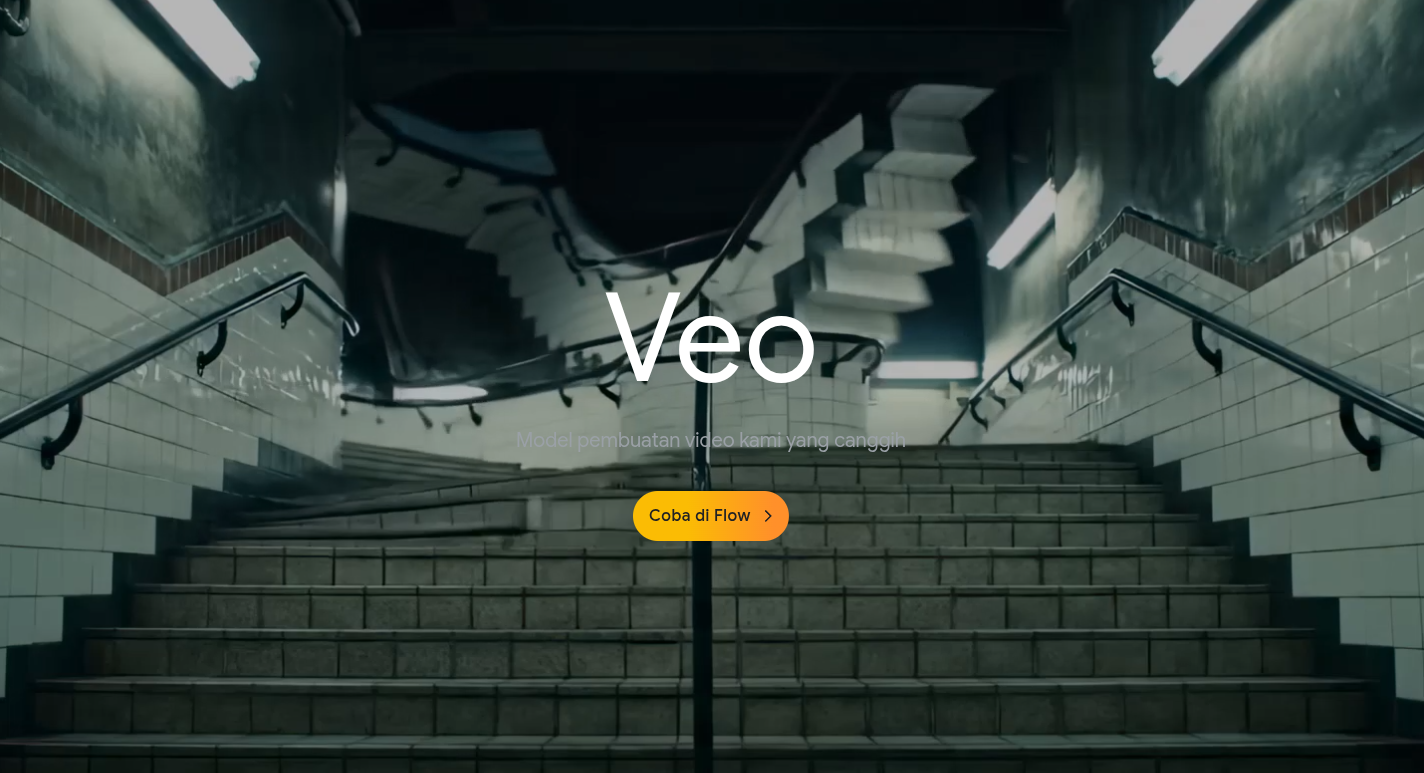
Media yang dihasilkan oleh AI telah mengalami perkembangan pesat selama beberapa tahun terakhir. Mulai dari pembuatan teks dengan ChatGPT hingga pembuatan gambar menggunakan DALL·E dan Midjourney, otomatisasi kreatif kini merambah ke salah satu bentuk media yang paling kompleks — video. Mari kita sambut Veo 3, model pembuatan teks-ke-video paling andal dari Google saat ini.
Dikembangkan oleh DeepMind, Veo 3 lebih dari sekadar proyek eksperimental — ini adalah langkah besar menuju pembuatan video berkualitas tinggi yang mudah diakses dan sepenuhnya ditenagai oleh kecerdasan buatan. Baik Anda seorang pembuat konten, pemasar, pendidik, atau ahli teknologi, Veo menawarkan gambaran masa depan di mana ide-ide Anda dapat diterjemahkan menjadi visual bergerak hampir seketika.
Apa Itu Google Veo?
Veo adalah model AI generatif yang menerima instruksi bahasa sehari-hari (prompt) dan mengubahnya menjadi video pendek beresolusi tinggi. Melalui Veo 3, Google telah meningkatkan resolusi, durasi, realisme, dan kontrol gaya secara dramatis dibandingkan dengan versi sebelumnya.
Model ini mendukung:
- Pembuatan video resolusi 1080p
- Berbagai gaya sinematik seperti time-lapse, pengambilan gambar drone, atau slow-motion
- Pemahaman gerakan tingkat lanjut untuk menciptakan transisi yang mulus dan adegan yang dinamis
- Input multi-modal, termasuk menggabungkan teks, gambar, atau klip referensi
Fitur Utama Veo 3
🎬 Kualitas Video Sinematik
Veo 3 menghasilkan video 1080p dengan gerakan dinamis dan lingkungan yang mendetail. Model ini memahami pencahayaan, refleksi, sudut kamera, dan bahkan kedalaman bidang (depth of field) — semuanya hanya dari satu instruksi teks seperti:
“Sebuah air terjun yang tenang di hutan yang rimbun, dengan kamera sinematik bergeser perlahan ke atas saat matahari terbit.”
Kualitas visual seperti ini sebelumnya tidak mungkin dicapai tanpa peralatan kelas atas dan tim produksi yang besar.
💡 Kontrol Kreatif dengan Instruksi Teks
Hal yang membuat Veo sangat menarik adalah antarmuka bahasa alaminya. Anda dapat mengarahkan gerakan kamera, menyesuaikan pencahayaan, atau bahkan meminta nada emosional tertentu — semuanya lewat teks biasa. Ingin melihat pengambilan gambar drone dari kota futuristik di malam hari? Cukup tuliskan deskripsinya.
Instruksi dapat mencakup:
- Arahan kamera: “zoom out,” “geser ke kiri”
- Suasana dan gaya: “pencahayaan lembut bagai mimpi,” “video rumahan tahun 90-an”
- Tindakan objek: “seekor kucing melompat dari satu atap ke atap lainnya”
- Transisi adegan atau durasi: “memudar ke hitam setelah 5 detik”
📷 Input Multi-modal
Veo 3 dapat memperluas visi kreatif Anda menggunakan gambar, sketsa, atau video referensi. Anda dapat menyediakan gaya dasar atau nada warna tertentu dan membiarkan Veo membangun video di atasnya. Alur kerja hibrida ini membuka peluang besar bagi para profesional kreatif maupun pehobi.
Mengapa Veo 3 Penting
Google Veo bukan sekadar keajaiban teknis — ini adalah kekuatan demokratisasi dalam produksi video. Mari kita lihat arti penting teknologi ini bagi berbagai kalangan pengguna:
1. Pembuat Konten
Influencer dan YouTuber dapat menggunakan Veo untuk membuat intro berkualitas tinggi, rekaman B-roll, atau seluruh video konsep tanpa perlu merekam satu adegan pun. Baik Anda membangun vlog sinematik atau gulungan promosi, Veo dapat berfungsi sebagai asisten editor AI Anda.
2. Pendidik
Pengajar dapat menghasilkan penjelasan visual untuk topik yang rumit — eksperimen sains, rekonstruksi sejarah, atau bahkan tur virtual — dengan upaya minimal. Tidak diperlukan kamera, aktor, atau studio pengeditan.
3. Pembuat Film
Gunakan Veo untuk storyboarding atau pengembangan adegan awal. Sutradara dapat membuat prototipe urutan adegan, bereksperimen dengan berbagai sudut kamera, atau mempresentasikan konsep menggunakan hasil visual nyata alih-alih sketsa kasar.
4. Pemasar & Pengiklan
Hasilkan iklan video dinamis secara instan. Kustomisasi visual berdasarkan tujuan kampanye, demografi audiens, atau tren sosial tanpa memerlukan tim produksi video yang besar.
Tantangan dan Pertimbangan
Meskipun memiliki potensi yang sangat besar, Veo tetap menghadapi beberapa tantangan:
- Konsistensi: Menjaga konsistensi karakter atau objek di berbagai adegan yang berbeda masih terus dikembangkan.
- Etika: Penyalahgunaan untuk disinformasi atau deepfake menjadi perhatian serius. Google telah menerapkan filter keamanan dan tanda air digital (watermarking) untuk mengatasi hal ini.
- Aksesibilitas: Saat ini, akses ke Veo masih terbatas untuk kreator terpilih melalui daftar tunggu atau lingkungan terkontrol seperti VideoFX.
Namun, ini adalah fase perkembangan awal dari teknologi yang sangat menjanjikan.
Cara Mengakses Veo 3
Veo saat ini sedang diuji melalui VideoFX, platform eksperimental Google untuk para kreator. Pengguna dapat bergabung dalam daftar tunggu dan akan diundang secara bertahap untuk mencoba model tersebut. Akses publik penuh diharapkan akan diluncurkan secara bertahap, dengan lebih banyak alat dan integrasi (seperti YouTube Shorts atau aplikasi Adobe) yang akan segera hadir.
Masa Depan Pembuatan Video AI
Veo 3 adalah langkah besar agar pembuatan konten bertenaga AI menjadi arus utama dan mudah diakses. Meskipun perusahaan lain seperti OpenAI, Runway, dan Pika juga berinovasi di bidang ini, ekosistem Google (Search, YouTube, Android) memberikan keuntungan strategis untuk menghadirkan teknologi ini kepada miliaran orang.
Rangkuman Singkat (TL;DR):
- Google Veo 3 membuat video HD dari instruksi teks sederhana.
- Hasilnya sinematik, fleksibel, serta memahami dinamika kamera dan adegan.
- Memberdayakan kreator di bidang pendidikan, film, pemasaran, dan hiburan.
- Kekhawatiran etika tetap ada, namun batasan keamanan telah diterapkan.
- Ini adalah awal dari revolusi baru dalam bercerita secara digital.
Seiring AI yang terus berkembang, Veo 3 menunjukkan masa depan di mana imajinasi adalah satu-satunya batasan Anda. Baik Anda ingin bercerita, mengajarkan ide, atau menjual produk, visi Anda kini benar-benar dapat bergerak nyata.
Tetap kreatif. Tetap penasaran.